Case study 01
VISWAS
Video Integration and State Wide Advanced Security — giving an entire state police force one operating picture.
- Role
- Chairman, VISWAS Task Force
- Scope
- State of Gujarat
- Domain
- Surveillance, traffic, command & control
- Status
- Phase I delivered, Phase II in rollout
A police force can only act on what it can see. VISWAS is Gujarat's answer to that problem at state scale: not a camera purchase but an architecture — cameras, command centres, an integration layer and the analytics on top of it — designed so that a feed from a junction in one district is usable by an investigator in another.
What was built
Phase I placed 7,007 CCTV cameras across 1,192 junctions in 41 cities, covering all 34 district headquarters, six pilgrimage centres and the Statue of Unity. Phase II extends the network with more than 10,500 additional cameras into 54 cities and municipalities, and to 80 inter-state entry and exit points along the borders with Rajasthan, Madhya Pradesh, Maharashtra and the union territories.
Thirty-four Netram district-level command and control centres were established, each with an intelligent traffic management system, feeding into TRINETRA, the integrated command centre at Gandhinagar. Ten thousand body-worn cameras and nineteen drone-based camera systems were integrated into the same network, alongside automatic number-plate recognition.
Why it mattered
The value of a surveillance network is not the footage; it is what the footage settles. Between 2018 and 2022 the system aided detection in 7,338 cases — theft, robbery, kidnapping and hit-and-run among them — where a physical witness was absent or a vehicle was the only lead. Over the same period, road accidents fell by 16 per cent and injuries by 13 per cent in the covered areas.
There is a second, less quantifiable outcome. Standardised infrastructure across thirty-four districts means a small district force operates with the same tooling as a metropolitan one. Capability stops depending on which posting an officer draws.
Carried into national forums
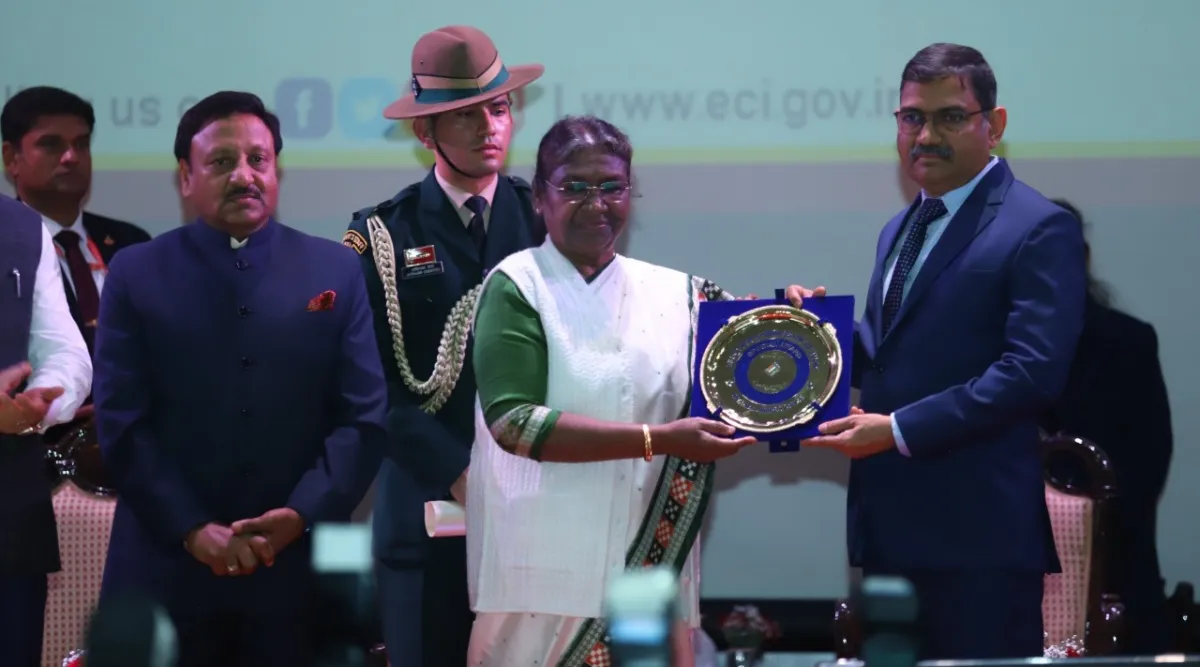
At the Department of Administrative Reforms and Public Grievances conference, Narasimha Komar addressed the session on best practices of the Government of Gujarat as chairman of the VISWAS task force and Commissioner of Police, Vadodara, presenting the programme's design and results to administrators from across the country.
across 1,192 junctions
and control centres
2018–2022
in covered areas
Who benefits
Investigating officers with no witness; traffic units managing junctions in real time; district forces that previously had no command centre at all; and citizens on inter-state roads now covered by number-plate recognition.
What it took
Phased delivery through four implementation clusters, a common specification held across all of them, and a governance structure — the task force — with the authority to keep the phases aligned.
Recognition
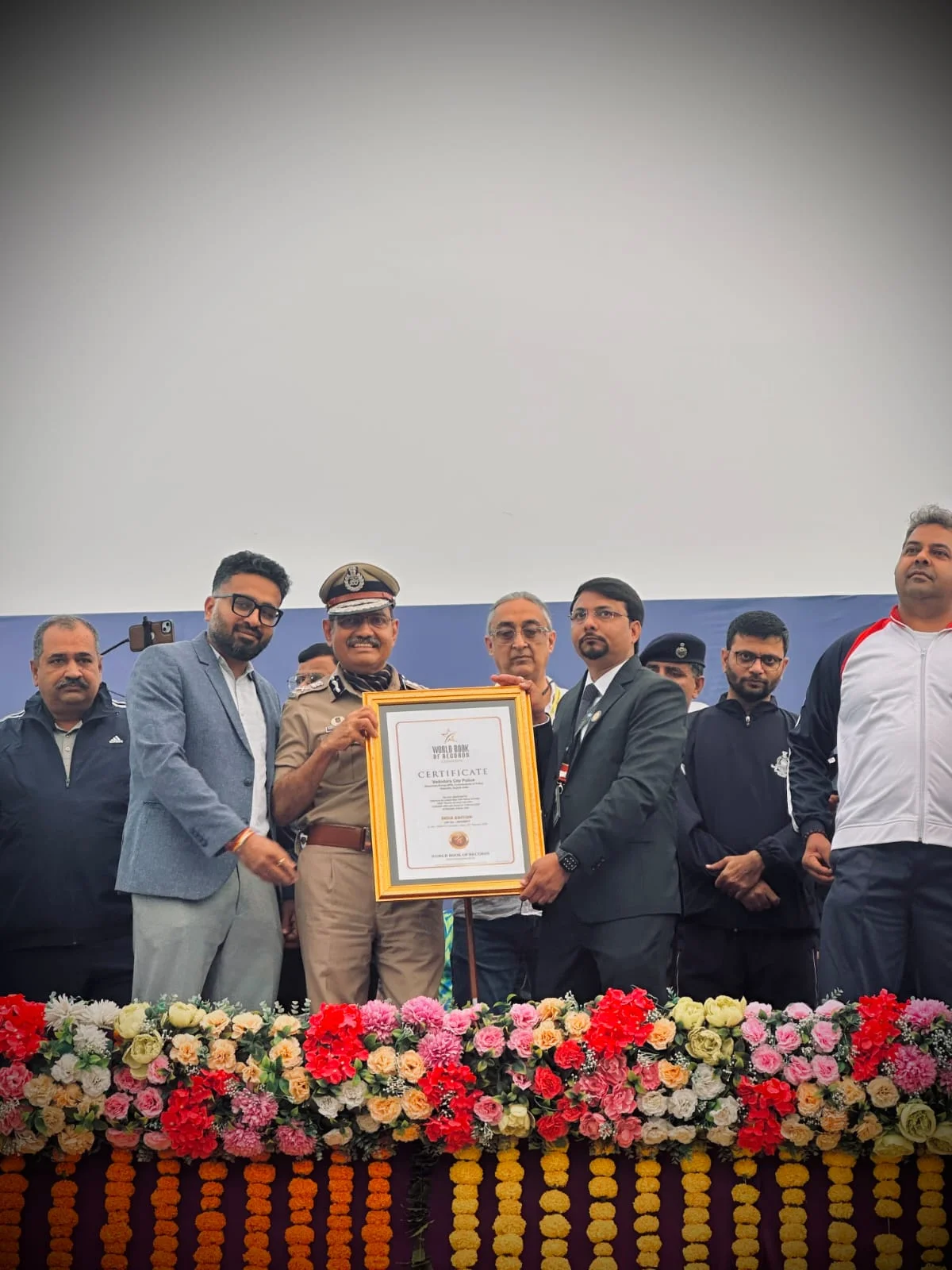
The programme has been recognised at national and international level. The full list is set out further down this page.